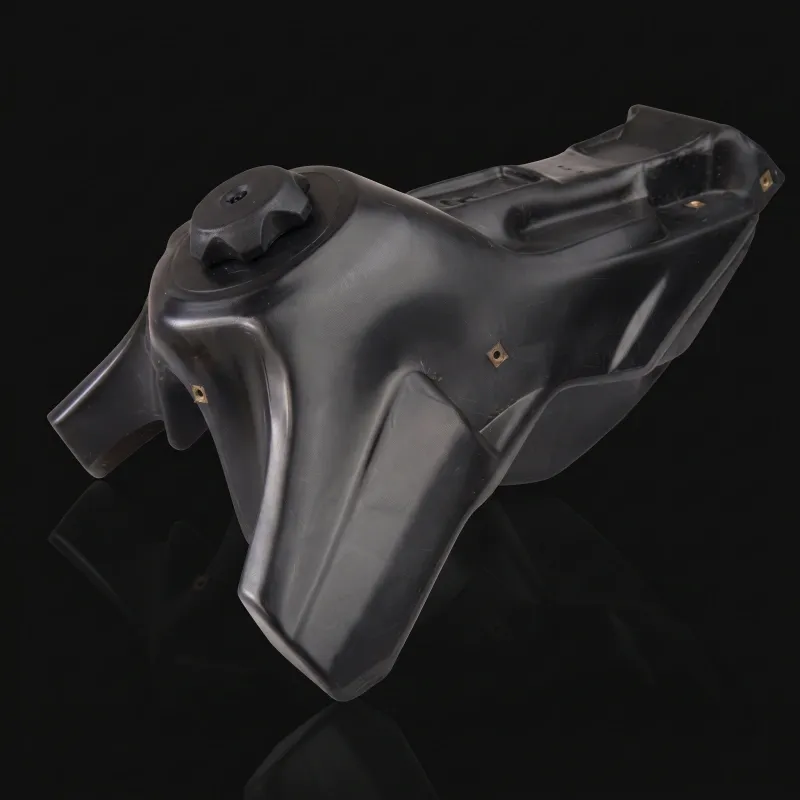
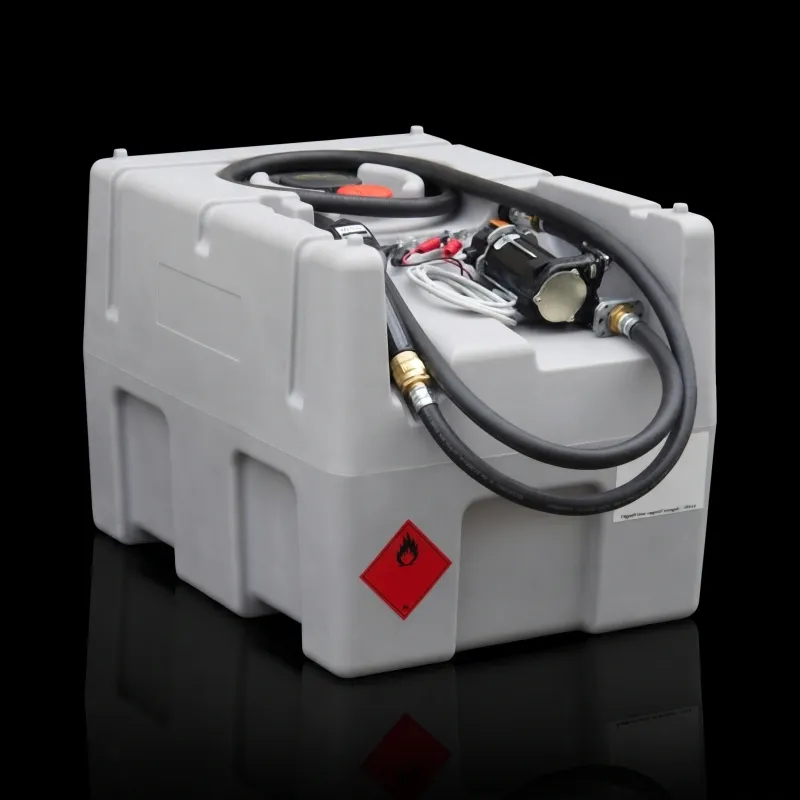
Custom Plastic Fuel and Water Tanks for Vehicles
Your Rotomolding Mold Supplier Is Not a Machine Shop — Here’s How to Vet Them Before You Wire the Deposit
Most buyers treat a custom rotomolding mold supplier like a CNC vendor: send the CAD file, get a quote, pick the cheapest one, wait for the tool. That’s the fastest way to burn a deposit and lose a launch window.
A rotomolding tool is not just “cut metal.” It is the thermal and release system that determines whether your part comes out with even wall thickness or warped, whether it drops out of the mold cleanly or fights you every cycle, and whether you get 5,000 shots or 100,000 before the steel starts to fatigue. The upfront price difference between a bargain tool and a properly engineered one is often 20–30%, but the long-term cost of a bad tool — scrap, rework, downtime, missed deliveries — runs 5–10× that gap.
Here’s what to actually look for before you commit.
The DFM feedback is the first filter
If a supplier takes your STEP file and sends back nothing but a price and a lead time, stop. A real rotomolding tooling partner will push back on the design before the first chip flies.
Ask specifically about draft angles on internal surfaces (usually at least 1.5°, plus extra for textured areas), parting-line placement, and venting strategy. These aren’t nitpicks. Poor draft or bad venting shows up later as torn parts, flash you can’t trim cleanly, and cycle times that kill your margin. A supplier that only machines — without a DFM report — is a red flag, not a “low-cost option”.
Aluminum or steel: make them justify the choice
Most rotomolding tools are cast aluminum, and for good reason. Aluminum’s thermal conductivity is roughly 168 W/m·K, compared to about 31.2 W/m·K for low-carbon steel. That translates to faster heat-up and cool-down, shorter oven cycles, and lower energy cost per part. Typical cast aluminum rotomolding tooling runs a 4–8 week lead time, while steel tooling pushes into the 8–12 week range.
Steel has its place — very high-volume programs or abrasive materials — but if a supplier recommends steel for a low-to-mid-volume custom part without a clear reason, they’re either upselling or guessing. Ask them to explain the trade-off in cycle time, mold life, and total cost per part, not just the invoice price.
Cooling and wall thickness control separate the pros from the order-takers
Rotomolding lives and dies by wall thickness consistency. A supplier who does not talk about cooling channel design, baffle placement, or powder flow simulation is not engineering the tool — they’re fabricating a shape. Expect them to model how heat distributes across the mold and how powder sticks to the surface. Without that, you’re paying for their learning curve on your dime.
Also ask what wall-thickness tolerance they’re comfortable holding. In rotomolding, ±10% to ±20% variation is realistic unless the tool and process are specially engineered. A supplier who promises “perfect” wall thickness without caveats is either inexperienced or not being straight with you.
QC data beats a factory tour
A clean shop floor means little if there’s no dimensional report behind the tool. Demand sample inspection data: critical dimensions, wall-thickness measurements (ultrasonic gauges are standard for non-destructive checks), and first-article reports. ISO 9001 is a positive signal, but it’s a baseline, not a guarantee of tooling quality.
Ask for two or three references from customers who ran molds similar to yours — same size range, same material, same complexity. Call them. Ask about cycle time, mold maintenance, and what happened when something went wrong after delivery. A supplier who hesitates to connect you with past customers is telling you something.
Watch for the trader pretending to be a factory
The rotomolding tooling space has plenty of middlemen who outsource the actual machining to small workshops and mark it up. The tell is simple: ask for live photos or a short video of the specific tool being cut on the machine, with the CNC screen visible and the job identifiable. Traders can’t produce that. They send stock photos or “old builds” and get cagey about scheduling a video walkthrough.
If you’re sourcing overseas, consider a third-party inspection before final payment. A few hundred dollars on an inspection is cheap insurance against a tool that arrives with the wrong parting line or a cooling channel that was never drilled.
The bottom line
A custom rotomolding mold supplier should act like an engineering partner, not a job shop waiting for a file. The right one will question your design, explain material trade-offs in plain numbers, show you inspection data, and connect you with customers who’ve already put their tools through real production. The wrong one will quote fast, promise everything, and disappear when the first part sticks to the mold.
Vet for engineering behavior, not sales behavior. Your cycle time — and your launch date — depend on it.