Oct 23, 2026
customized polyethylene plastic fuel tanks
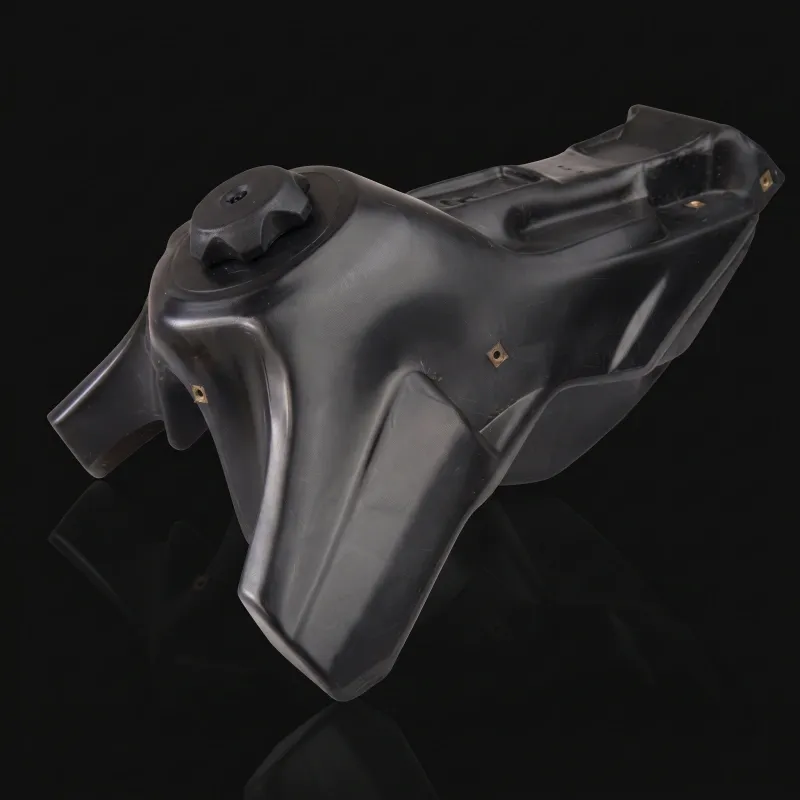
Custom Rotomolded Fuel Tanks: A Practical Guide for People Who Need a Tank That Actually Fits
Let’s talk about fuel tanks. Not the most glamorous topic, I know. But if you’ve ever tried to squeeze a tank into a weird corner of a boat, a tractor, a bus, or a piece of heavy equipment, you already know how fast “close enough” stops being good enough. That’s where custom rotomolded fuel tanks come in.
A rotomolded fuel tank is basically a one-piece plastic tank made by rotational molding. The material is usually high-density polyethylene, often cross-linked HDPE—XLHDPE for short. Instead of cutting and welding sheets together, the manufacturer puts plastic powder into a mold, heats it while rotating it, and lets it cool into a single hollow shape. The result is a seamless reservoir with no welded joints running down the side. That matters more than it sounds.
Why the one-piece design is a big deal
When a tank is built from multiple pieces, every seam and joint is a potential weak spot. Vibration, bouncing over fields, pounding across waves, or just years of road time can work those joints loose. A rotomolded tank avoids that whole issue because there are no seams to fail in the first place. It’s molded as one continuous piece, so it’s naturally leak-resistant and tough enough to handle the shaking and stress that real-world equipment deals with.
Another nice thing? Plastic doesn’t rust. Metal tanks can corrode from the inside out when moisture sneaks in, or from the outside in when weather does its thing. Polyethylene doesn’t care about rust, scale, or that kind of corrosion. That doesn’t mean you can abuse it forever, but it does mean you’re not fighting rust as an everyday enemy.
Custom means custom
Here’s where rotomolding really earns its keep: design freedom. You’re not stuck picking from a catalog of rectangular boxes and hoping one fits. You can engineer custom shapes, non-standard dimensions, and oddball profiles to match tight or irregular spaces. Need a tank that hugs a wheel well? Wraps around a frame rail? Sits low under a deck? That’s the kind of thing rotomolding can handle.
You can also build in practical features like internal baffles to help control fuel slosh, molded-in brass or stainless steel inserts for fittings and mounting points, and specific fill, vent, and sender locations. That means fewer workarounds later. Instead of adapting the machine to the tank, you’re building the tank around the machine.
Where these tanks show up
You’ll find custom HDPE rotomolded fuel tanks in a lot of industries, and for good reason. In agriculture, they’re used on tractors, combines, and other machinery that spends long days in the field. In construction, they show up on excavators, loaders, and heavy equipment that takes a beating. Marine applications include boats and yachts, where corrosion resistance and custom fit matter a lot. You’ll also see them on buses, RVs, heavy trucks, and special vehicles.
The common thread is simple: people need a reliable tank that fits the equipment, holds up to the environment, and doesn’t create a bunch of maintenance headaches.
The weight advantage
Let’s not skip weight. Plastic tanks are generally lighter than comparable metal tanks. On a vehicle or piece of equipment, that can help reduce overall weight, which may improve payload capacity and fuel efficiency. It’s not magic, and it’s not the only factor, but every pound counts—especially in transportation and mobile equipment. A lighter tank can also make installation and handling easier, which is a nice bonus for the folks doing the work.
What to think about before you order
If you’re considering a custom rotomolded fuel tank, start with the basics: capacity, available space, mounting points, fill and vent locations, and what kind of fuel or fluid it’ll hold. Think about whether you need baffles, what fittings you want molded in, and how the tank will be secured. It also helps to know the operating environment—will it live outdoors, on saltwater, in dusty fields, or on a bus that runs every day?
A good manufacturer will ask those questions early. Custom isn’t just about shape; it’s about making the tank work with your equipment instead of against it. You want something dependable, easy to install, and built to last.
The bottom line
Custom rotomolded fuel tanks aren’t fancy for the sake of being fancy. They solve real problems: leaks at seams, rust and corrosion, awkward spaces, and extra weight. Whether you’re outfitting agricultural machinery, construction equipment, buses, boats, or yachts, a one-piece HDPE tank can be a smart, practical choice. And when it’s designed around your specific application, it stops feeling like a generic part and starts feeling like it was made for the job—because it was.